

Detailing and finishing are essential stages that define the final quality, performance, and appearance of any product or project. While the core structure ensures functionality, it is detailing and finishing that refine every element, delivering precision, durability, and a professional look. These processes ensure that the final output meets high standards and performs reliably in real-world conditions.
Importance of Detailing and Finishing
Increases customer satisfaction and trust
Enhances overall quality and workmanship
Improves structural strength and durability
Ensures visual consistency and refinement
Reduces defects and rework

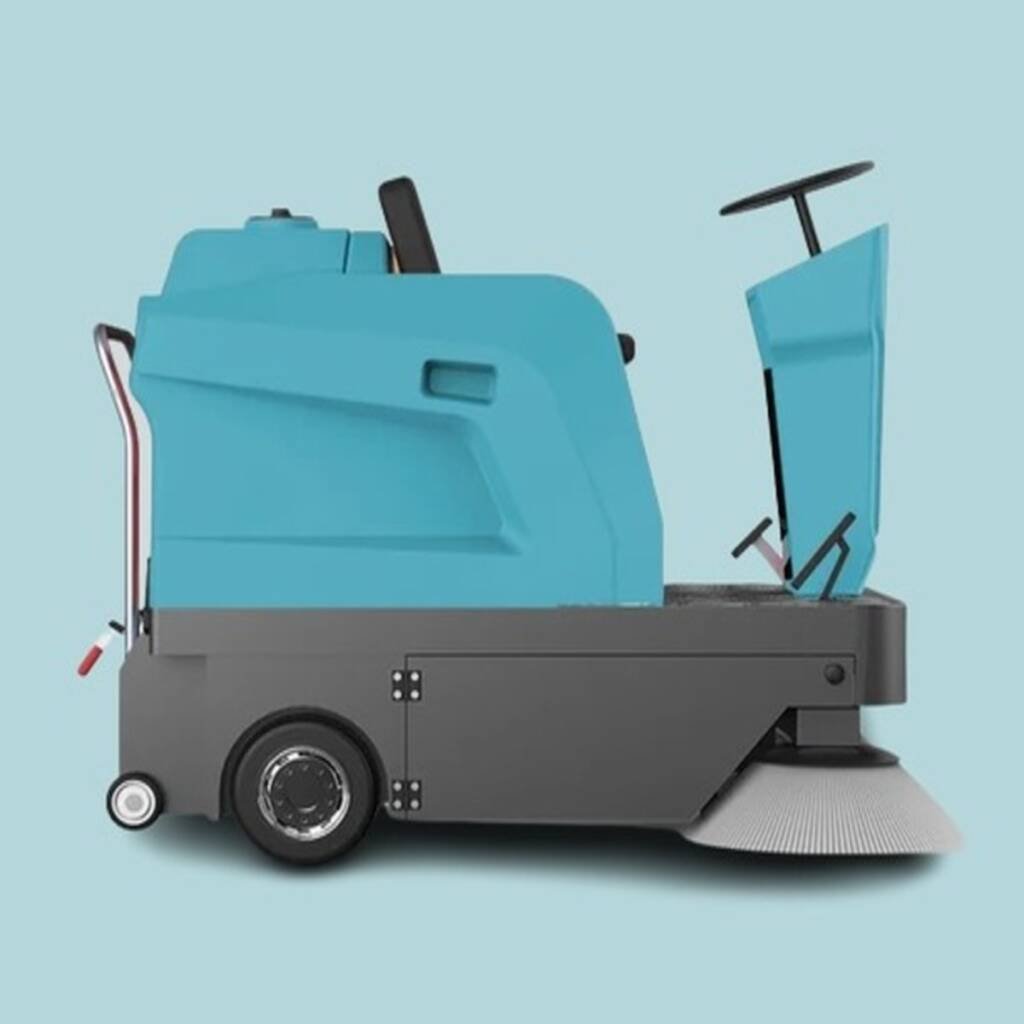
Detailing Process
Detailing focuses on precision and accuracy, ensuring that every component aligns perfectly with the intended design.
Key Elements of Detailing
- Careful inspection of all components
- Accurate measurement and alignment
- Smooth edges and proper fittings
- Identification and correction of minor flaws
- Integration of parts for seamless performance
Tools and Techniques Used in Detailing
Standardized procedures for consistency
Precision measuring instruments
Advanced machining and alignment tools
Skilled manual adjustments
Finishing Process
Finishing enhances both protection and aesthetics, ensuring long-term performance and a polished appearance.
Finishing Techniques and Treatments
- Surface polishing and smoothing
- Painting and coating applications
- Corrosion and wear-resistant treatments
- Sealing for environmental protection
- Final cleaning and presentation
Role of Finishing in Durability
- Protects surfaces from moisture and chemicals
- Reduces wear and tear over time
- Extends service life of materials
- Minimizes maintenance requirements
Quality Control in Detailing and Finishing
Quality control ensures that every product meets defined standards before final delivery.
Inspection and Testing Methods
- Visual inspection for surface defects
- Functional testing under operating conditions
- Verification against design specifications
- Consistency checks across all units
Benefits of Strong Quality Control
- Ensures reliability and performance
- Prevents premature failures
- Maintains uniform standards
- Builds long-term brand credibility
Benefits of Professional Detailing and Finishing
Professional detailing and finishing add value beyond appearance by improving usability and longevity.
Long-Term Advantages
- Enhanced aesthetic appeal
- Improved safety and functionality
- Higher resistance to environmental factors
- Reduced lifecycle costs
- Stronger customer confidence
Continuous Improvement and Refinement
Detailing and finishing are not static processes but evolve through innovation and feedback.
Focus Areas for Improvement
Emphasis on sustainability and efficiency
Adoption of modern finishing technologies
Regular evaluation of processes
Incorporation of user feedback