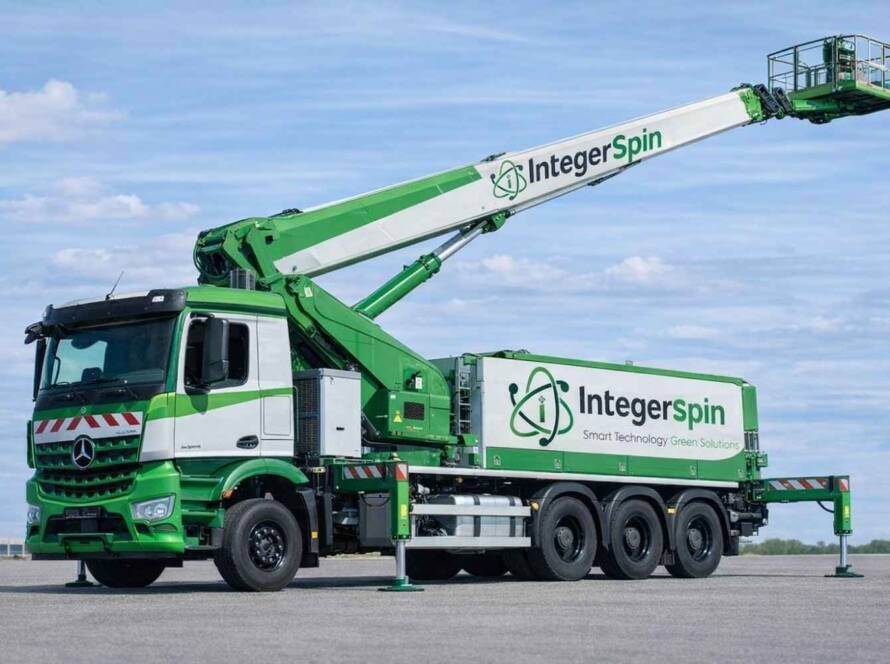

QWaste management has become one of the most critical challenges in modern urban and industrial environments. With increasing population, rapid urbanization, and growing industrial activities, the volume of waste generated daily is rising significantly. To handle this challenge effectively, advanced waste management equipment such as a refuse compactor plays a vital role. It not only helps in reducing waste volume but also ensures cleaner surroundings and improved operational efficiency.
What is a Refuse Compactor?
A refuse compactor is a specialized machine designed to compress waste materials into a smaller, more manageable size. It is widely used by municipalities, industries, commercial complexes, and residential societies to handle large quantities of garbage efficiently. By compacting waste, the machine reduces its volume, making it easier to store, transport, and dispose of.
Refuse compactors are typically mounted on trucks or installed as stationary units. They are equipped with hydraulic systems that apply pressure to compress waste materials such as plastic, paper, organic waste, and other municipal solid waste.
Importance of Refuse Compactors in Waste Management
In today’s world, managing waste without proper machinery is not only inefficient but also harmful to the environment. Refuse compactors bring several advantages that make them an essential part of modern waste management systems.
1. Volume Reduction
One of the primary benefits of a refuse compactor is its ability to significantly reduce waste volume. Compaction can decrease waste size by up to 70–80%, allowing more waste to be stored in a smaller space.
2. Improved Hygiene
Unmanaged waste can lead to foul odors, pests, and health hazards. By compacting garbage, refuse compactors minimize exposure to open waste, improving hygiene and sanitation.
3. Cost Efficiency
Reduced waste volume means fewer trips to disposal sites. This leads to savings in fuel, labor, and transportation costs, making operations more economical.
4. Environmental Protection
Compacting waste reduces landfill usage and helps lower carbon emissions associated with waste transportation. It also prevents littering and environmental pollution.
5. Enhanced Operational Efficiency
Refuse compactors streamline waste collection and disposal processes, saving time and improving productivity for municipalities and businesses.
Curabitur varius eros et lacus rutrum consequat. Mauris sollicitudin enim condimentum, luctus justo non, molestie nisl.
Types of Refuse Compactors
Refuse compactors come in various types, each designed to meet specific waste management needs.
1. Truck-Mounted Refuse Compactor
This is the most commonly used type in municipal waste collection. It consists of a compaction unit mounted on a truck chassis. Waste is collected from different locations and compacted inside the vehicle before being transported to disposal sites.
2. Stationary Compactor
Stationary compactors are fixed units installed at a specific location, such as factories, shopping malls, or large residential complexes. Waste is loaded into the compactor, compressed, and then transferred to containers for disposal.
3. Portable Compactor
Portable compactors combine the compaction unit and container into a single movable system. They are ideal for locations where waste generation is moderate and mobility is required.
4. Hydraulic Compactor
These compactors use hydraulic pressure to compress waste. They are highly efficient and capable of handling heavy-duty waste materials.
Key Components of a Refuse Compactor
A refuse compactor is made up of several important components that work together to ensure efficient operation:
Body Structure: A robust frame designed to withstand heavy loads and pressure.
Hopper: The entry point where waste is loaded into the machine.
Compaction Chamber: The area where waste is compressed.
Hydraulic System: Provides the force required for compaction.
Control Panel: Allows operators to control the machine’s functions.
Ejection System: Helps in unloading compacted waste.
Working Principle of a Refuse Compactor
The working of a refuse compactor is based on hydraulic pressure. Here’s how it operates:
- Waste is loaded into the hopper manually or through automated systems.
- The hydraulic ram pushes the waste into the compaction chamber.
- Continuous pressure compresses the waste into a dense mass.
- Once the chamber is full, the compacted waste is transported or ejected into a container.
This process ensures maximum utilization of available space and efficient waste handling.
Applications of Refuse Compactors
Refuse compactors are used across various sectors due to their versatility and efficiency.
Municipal Use
Cities and municipalities use truck-mounted compactors for daily garbage collection from residential and commercial areas.
Industrial Sector
Factories generate large amounts of waste materials such as packaging, scrap, and organic waste. Compacting this waste helps in better management and disposal.
Commercial Establishments
Shopping malls, hotels, restaurants, and office complexes rely on compactors to manage their daily waste efficiently.
Healthcare Facilities
Hospitals and clinics use compactors to handle non-hazardous waste safely and hygienically.
Residential Societies
Large housing societies use compactors to maintain cleanliness and reduce the frequency of waste collection.
Advantages of Using Refuse Compactors
The adoption of refuse compactors offers numerous benefits:
- Space Saving: Reduces the space required for waste storage.
- Reduced Transportation: Fewer trips to disposal sites lower fuel consumption.
- Cleaner Environment: Prevents littering and improves sanitation.
- Time Efficiency: Speeds up waste collection and disposal processes.
- Better Waste Handling: Minimizes manual handling and associated risks.
Maintenance and Safety Tips
To ensure optimal performance and long life of a refuse compactor, regular maintenance is essential.
Maintenance Tips
- Inspect hydraulic systems regularly for leaks or damage.
- Clean the compaction chamber to prevent blockages.
- Lubricate moving parts for smooth operation.
- Check electrical and control systems periodically.
Safety Measures
- Always follow operating guidelines.
- Avoid overloading the compactor.
- Ensure trained personnel handle the equipment.
- Use protective gear while operating or maintaining the machine.
Future of Refuse Compactors
With advancements in technology, refuse compactors are becoming more efficient and environmentally friendly. Modern compactors are now equipped with smart features such as GPS tracking, automated loading systems, and real-time monitoring. These innovations help in optimizing waste collection routes, reducing operational costs, and improving overall efficiency.
Additionally, the integration of refuse compactors with recycling systems is gaining popularity. This allows better segregation and processing of waste, contributing to sustainable waste management practices.
Conclusion
Refuse compactors have revolutionized the way waste is managed in urban and industrial settings. By reducing waste volume, improving hygiene, and lowering operational costs, they play a crucial role in maintaining clean and sustainable environments. Whether used by municipalities, industries, or residential communities, refuse compactors are an indispensable tool in modern waste management systems.
As the demand for efficient waste handling continues to grow, investing in advanced refuse compactor solutions is not just a necessity but a step toward a cleaner and greener future.